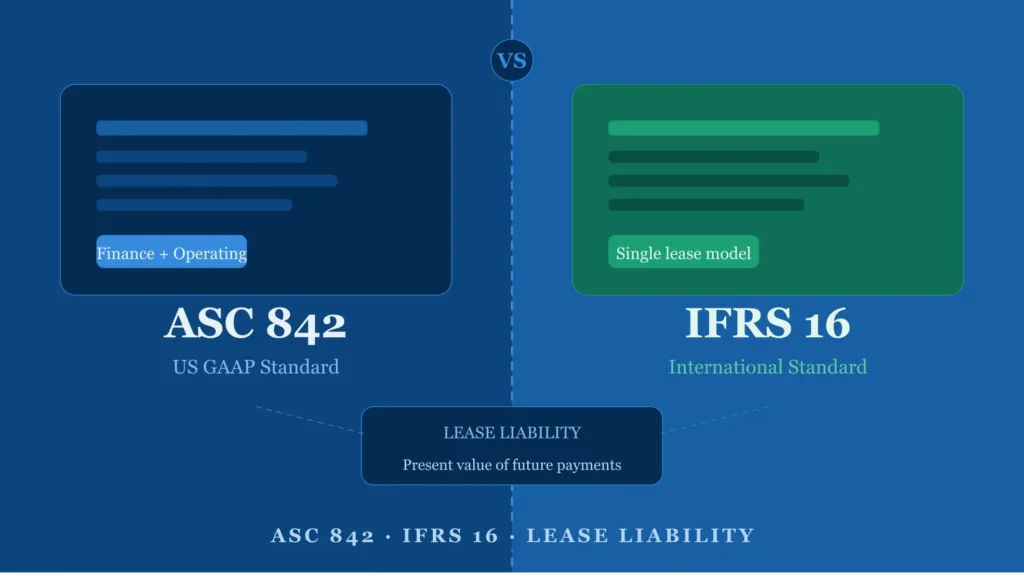
If your finance team is still tracking leases on spreadsheets, you are not alone. Many businesses continue to manage lease accounting manually, often because it has “always worked” or because switching systems feels like too much effort. But here is the truth: manual lease accounting is rarely as cheap as it looks. It hides costs in places most business owners never think to check.
Let’s break down where those hidden costs come from and why it might be time to rethink your approach.
The Real Price of “Free” Spreadsheets
Spreadsheets do not come with a subscription fee, so many teams assume they are the budget friendly option. In reality, the cost shows up elsewhere. Every hour your accountant spends updating lease schedules, checking formulas, or fixing broken links is an hour not spent on higher value work like forecasting or financial strategy.
Multiply that across dozens or hundreds of leases, and the labor cost alone can outweigh what a proper lease accounting tool would cost in a year.
Errors That Are Easy to Miss
Manual processes are prone to human error, and lease accounting has a lot of moving parts. A single wrong formula, a missed escalation clause, or an incorrect discount rate can throw off your entire lease liability calculation. These mistakes are not always caught right away. Sometimes they surface during an audit, which is the worst possible time to discover a problem.
Under standards like IFRS 16, even small errors can lead to material misstatements in your financial reports. That puts your compliance and your credibility at risk.
Compliance Risk Keeps Growing
Lease accounting standards are not static. IFRS 16 requires ongoing recalculations whenever there are lease modifications, renewals, or changes in circumstances. Keeping a spreadsheet updated for every one of these events is time consuming and easy to fall behind on.
When compliance slips, the consequences are not just internal. Auditors, investors, and regulators expect accuracy. A business that cannot demonstrate reliable lease accounting practices may face qualified audit opinions or reputational damage.
Poor Visibility for Decision Making
Spreadsheets are static by nature. They show you a snapshot, not the full picture. If leadership wants to know the total lease liability across the business, or how upcoming lease renewals will affect cash flow, someone has to manually pull that data together.
This slows down decision making at exactly the moments when speed matters most, such as budgeting season, M&A due diligence, or lease renegotiations.
Scaling Becomes a Struggle
A handful of leases might be manageable on a spreadsheet. But as a business grows, whether through new locations, equipment leases, or acquisitions, the complexity multiplies fast. What worked for 10 leases becomes unworkable for 100.
At some point, most companies realize that manual processes cannot scale with the business, and by then, the transition to automation often happens under pressure rather than by choice.
What the Better Path Looks Like
Lease accounting software is built to handle the calculations, updates, and reporting that manual methods struggle with. It reduces the risk of human error, keeps you audit ready, and frees up your team’s time for more valuable work.
Making the switch does not have to be overwhelming. Most businesses start by identifying their highest risk leases, cleaning up their existing data, and choosing a solution that fits their reporting needs.
Final Thoughts
Manual lease accounting might feel manageable today, but the hidden costs, wasted hours, compliance risk, and poor visibility, tend to grow quietly until they become a real problem. If your business is relying on spreadsheets for lease accounting, now is a good time to ask whether that approach is still serving you or quietly holding you back.
FAQs
Q 1. What is manual lease accounting?
Manual lease accounting refers to tracking and calculating lease liabilities, right of use assets, and related journal entries using spreadsheets or manual records instead of dedicated software.
Q2. Why is manual lease accounting risky under IFRS 16?
IFRS 16 requires frequent recalculations for lease modifications and changes. Manual tracking increases the chance of errors, missed updates, and non-compliance, which can lead to inaccurate financial statements.
Q3. When should a business move away from manual lease accounting?
If your business manages more than a handful of leases, faces frequent lease changes, or has struggled with audit findings related to leases, it is a strong sign that automated lease accounting software is worth considering.